Periodontal Treatment for Advanced Periodontitis: Modern Solutions
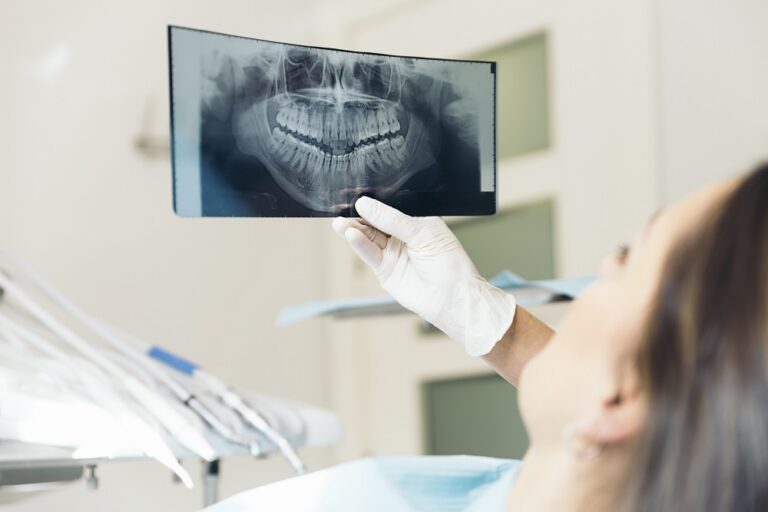
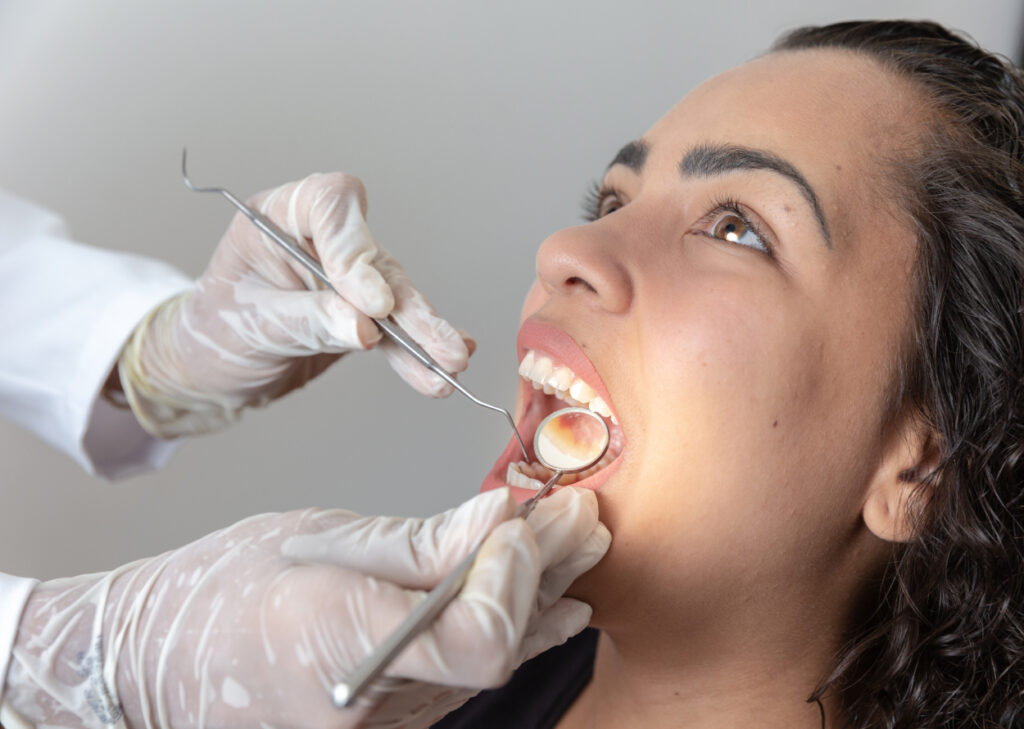

Advanced periodontitis is not simply "bad gums." It is a chronic inflammatory disease that destroys the supporting structures around teeth, including gum tissue, periodontal ligament, and bone. By the time a patient hears the phrase advanced periodontitis, the problem has usually moved well past occasional bleeding during brushing. Teeth may feel longer, spaces may open, chewing can become uncomfortable, and in some cases mobility becomes impossible to ignore.
That severity can feel discouraging, but it is important to say this plainly: advanced disease does not automatically mean hopeless teeth. Modern Periodontal Treatment has become far more precise than many people realize. The old image of gum treatment as little more than a deep cleaning followed by extraction is outdated. Today, treatment planning often combines meticulous infection control, imaging, microsurgical techniques, regeneration where feasible, risk factor management, and a maintenance strategy tailored to how the patient actually lives.
The key is judgment. Not every deep pocket should be treated the same way. Not every loose tooth should be removed. Not every implant is a better answer than a natural tooth. Good periodontal care is less about a single procedure and more about matching the biology of the disease to the right sequence of interventions.
What "advanced" really means in practice
Clinically, advanced periodontitis usually involves significant attachment loss and bone loss. That can show up as deep periodontal pockets, gum recession, furcation involvement in molars, drifting teeth, or teeth that move under pressure. X-rays often reveal irregular bone support, sometimes extending halfway or more down the root. The mouth may also show signs of long-term inflammation, including puffiness, redness, bleeding on probing, and persistent plaque-retentive areas.
Still, the label alone does not determine prognosis. I have seen patients with dramatic bone loss keep teeth for years because the defects were treatable, oral hygiene improved, and maintenance was consistent. I have also seen relatively modest bone loss spiral quickly when smoking, uncontrolled diabetes, missed cleanings, and heavy bite forces all collided.
That is why experienced clinicians do not make decisions based on one number or one radiograph. They look at the whole picture: pocket depth, bleeding, suppuration, mobility, anatomy of the defect, restorative history, root shape, patient dexterity, systemic health, and willingness to return for supportive care.
Why advanced periodontitis develops
Periodontitis begins with bacterial biofilm, but the disease is not caused by bacteria alone. The host response matters just as much. Some patients accumulate plaque rapidly and show surprisingly little damage. Others lose attachment quickly in areas that would seem manageable on paper. Genetics likely plays a role, but so do smoking, diabetes, stress, dry mouth, medications, poor-fitting dental work, clenching, and inconsistent home care.
One of the most common clinical patterns is a patient who ignored bleeding for years because it did not hurt. Gum disease is often painless until the destruction is substantial. That silent progression is why advanced cases can seem to appear suddenly, when in reality they have been active for a long time.
The practical implication is straightforward. Successful Periodontal Treatment must reduce bacterial load, calm inflammation, and address the conditions that let the disease flourish. If treatment stops at one of those steps, relapse becomes much more likely.
The first phase: stabilizing the infection
For most advanced cases, treatment begins with a detailed periodontal examination and current radiographs, often supplemented by cone beam imaging when the anatomy is complex. The goal is not simply to "find deep pockets," but to map where disease is active, where bone architecture may be favorable for regeneration, and where a tooth is approaching non-restorability.
Initial therapy usually involves non-surgical debridement, often called scaling and root planing, although that term can oversimplify what is actually a careful removal of subgingival biofilm and calculus. In advanced disease, this phase is critical. It reduces the microbial burden, lowers inflammation, and gives the tissue a chance to shrink and tighten. After this stage, some pockets improve enough that surgery is no longer necessary in those areas.
This is also when patient education matters most. Home care advice has to be specific and realistic. Telling a patient with crowded lower front teeth and reduced hand dexterity to "brush better" is useless. Showing them how to angle a power brush, how to thread an interdental brush through open embrasures, or how to clean under a bridge is far more effective.
At times, local antimicrobial agents or systemic antibiotics are considered, but they are adjuncts, not substitutes for mechanical debridement and plaque control. Antibiotics can help in select situations, particularly aggressive patterns or refractory sites, but they are not a cure for plaque that is left undisturbed every day.
Re-evaluation changes the plan
One of the most important moments in periodontal care happens several weeks after initial therapy. Inflammation subsides, probing becomes more reliable, and the true residual defects become easier to identify. This re-evaluation phase often separates teeth that are maintainable from those that are not.
A tooth with an initial 8 mm pocket may drop to 4 or 5 mm with no bleeding after thorough debridement and better home care. That site may shift from surgical candidate to maintenance candidate. Another tooth may continue to bleed with a 7 mm residual pocket and vertical bone loss. That tooth may now be a stronger candidate for surgical access or regenerative treatment.
This step is where rushed treatment plans go wrong. If a clinician recommends widespread surgery before inflammation is even controlled, prognosis estimates can be less accurate. Advanced periodontitis deserves patience during diagnosis, even when the final treatment itself needs decisiveness.
Modern surgical periodontal therapy
When deep residual pockets remain, surgical treatment may be the best path. The purpose of surgery is not cosmetic. It is to gain access, reduce disease activity, reshape or preserve tissue architecture, and in selected cases regenerate lost support.
Pocket reduction and access surgery
Flap surgery remains a core option in advanced disease. By gently reflecting the gum tissue, the clinician can see root surfaces and bony defects directly, remove deposits that cannot be reached predictably through closed instrumentation, and contour the area if needed. In some cases, reducing https://anotepad.com/notes/egeq3y9x pocket depth through better tissue adaptation makes the area maintainable long term.
This approach is especially useful when molars have complex root anatomy or when deep pockets persist on posterior teeth that are difficult to clean. The benefit is not just what happens in the chair that day. The real value is creating conditions that a patient can keep clean month after month.
Regenerative procedures
Regeneration is one of the most meaningful advances in Periodontal Treatment, but it is also one of the most misunderstood. It does not mean "growing all the bone back" in every defect. It means attempting to restore some of the lost supporting structures under the right anatomical conditions.
Vertical defects with contained walls often respond better than broad, shallow horizontal bone loss. Techniques may involve bone graft materials, barrier membranes, enamel matrix derivatives, or biologic modifiers designed to support new attachment. When case selection is careful, the results can be impressive. I have seen isolated intrabony defects around otherwise healthy teeth improve enough to change a questionable prognosis into a favorable one.
That said, regeneration is technique-sensitive. Smokers, poorly controlled diabetics, and patients with erratic plaque control generally see less predictable results. Defect shape matters. So does postoperative compliance. A regenerative surgery that is biologically elegant on paper can fail if the patient disappears for six months afterward.
Mucogingival support in selected cases
Advanced periodontitis often leaves patients with significant recession after inflammation resolves. Not every recessed area needs soft tissue grafting, but some do. If a root remains exposed in a way that causes sensitivity, traps plaque, or creates ongoing tissue fragility, grafting may improve comfort and stability.
This is not usually the first priority in active advanced disease. Infection control comes first. Once the periodontium is stable, soft tissue augmentation can be considered where the benefit is functional and durable.
When extraction is the better treatment
Saving teeth is a worthy goal, but saving every tooth at all costs is not. Some teeth are beyond predictable repair, especially when severe bone loss is combined with root fractures, advanced furcation destruction, recurrent decay below the gumline, or mobility so great that function is compromised.
The difficult part is that a tooth can be technically present and still be a poor long-term asset. If a molar has deep circumferential bone loss, class III furcation involvement, and recurrent infection despite treatment, pouring resources into repeated rescue attempts may not be in the patient's best interest. On the other hand, a compromised tooth can sometimes be preserved strategically for years to maintain chewing function, support a temporary prosthesis, or delay implant placement until conditions are healthier.
Those decisions should be transparent. Patients deserve to know whether the goal is long-term retention, medium-term serviceability, or short-term stabilization before replacement.
Dental implants in the periodontitis patient
Implants can be an excellent option after tooth loss from advanced periodontitis, but they are not immune to the same biological risks. A patient who lost teeth because of plaque-driven inflammation is also at elevated risk for peri-implant disease if home care and maintenance do not improve.
This point is often missed in general conversation. Replacing a periodontally hopeless tooth with an implant does not erase the patient's susceptibility. In fact, implant planning in these cases should be more careful, not less. Tissue quality, bone volume, cleansability, prosthetic design, and recall frequency all matter. An implant crown that looks beautiful but traps plaque under a bulky contour can become a future problem.
Sometimes the most responsible approach is to stabilize the entire mouth before placing any implants. Treat the active infection, improve plaque control, extract hopeless teeth, allow healing, and only then rebuild in a way that can be maintained.
The role of systemic health
Advanced periodontitis does not exist in isolation from the rest of the body. Poorly controlled diabetes is one of the clearest examples. Patients with elevated glucose levels often present with more severe inflammation, impaired healing, and greater recurrence risk. Once diabetes control improves, periodontal response often improves with it.
Smoking remains another major obstacle. It reduces blood flow, suppresses visible signs of inflammation, and worsens treatment outcomes. A smoker may show less dramatic redness than expected while deeper destruction continues quietly. Quitting does not guarantee perfect results, but it meaningfully improves the odds.
Other medical factors can complicate care as well. Certain medications contribute to dry mouth or gingival changes. Immunologic conditions may alter healing. Stress and sleep disruption can indirectly worsen habits and systemic inflammation. The point is not to turn gum disease into a vague whole-body theory. It is to recognize that good Periodontal Treatment becomes more predictable when medical realities are acknowledged instead of ignored.
How clinicians decide between treatment options
A sound periodontal plan balances biology, function, cost, and patient behavior. Two people can have similar X-rays and need different care. The reason is that prognosis is not just what the defect looks like, but how likely that site is to remain stable over time.
A younger patient with a treatable vertical defect, excellent hygiene, and regular attendance may be an ideal regenerative candidate. An older patient with complex restorative work, limited dexterity, and a history of missed visits may do better with a simpler plan that favors maintainability over maximal intervention.
The most useful discussions are the honest ones. What can be saved predictably? What can be improved but not normalized? Which procedures have a strong evidence base for this exact defect pattern, and which are more hopeful than reliable? Those questions lead to sensible care.
Signs that specialist-level periodontal care is often warranted
- persistent pockets of 6 mm or more after deep cleaning
- tooth mobility, drifting, or bite changes
- vertical bone defects or furcation involvement on radiographs
- repeated gum abscesses or pus from the gums
- advanced recession with root sensitivity or plaque retention
Many general dentists manage milder periodontal problems well, but advanced cases often benefit from a periodontist's training, especially when surgery, regeneration, or tooth-versus-implant decisions become complex.
Recovery and what patients should expect
Healing depends on the procedure. After non-surgical therapy, tenderness and cold sensitivity can occur for a few days to a couple of weeks, especially where heavy calculus was removed. After surgery, swelling and mild oozing are common early on. Most patients are functional quickly, but the deeper tissue maturation takes longer than the visible healing suggests.
One mismatch I see often is between patient expectations and biological timing. A surgical site may look significantly better in two weeks, yet the attachment apparatus is still stabilizing. That is why brushing instructions, diet recommendations, and follow-up visits matter so much during the early postoperative period.
Discomfort is usually manageable with standard pain control measures, but soreness can vary by extent of surgery and tissue sensitivity. Regenerative sites require particular respect. Aggressive flossing or "checking the area" too soon can disrupt healing.
Long-term maintenance is where success is won
Periodontal treatment is not a one-time repair. Advanced periodontitis creates a lifelong susceptibility that must be managed. Once the disease is stabilized, supportive periodontal therapy becomes the cornerstone of preserving results.
Most patients with a history of advanced disease do best on recall intervals closer to three or four months than six. That is not an arbitrary schedule. Biofilm matures, inaccessible sites relapse, and small inflammatory changes are easier to reverse when they are caught early. A six-month gap can be too long for some high-risk mouths.
At maintenance visits, the team is not simply polishing teeth. They are checking bleeding, measuring residual pockets where needed, monitoring mobility, reviewing home care, reassessing restorations, and updating radiographs when indicated. These visits are surveillance and intervention combined.
The patients who keep teeth long term after severe disease are rarely the lucky ones. More often, they are the consistent ones.
Home care that actually supports professional treatment
The home routine needs to fit the anatomy left behind after disease and therapy. Open spaces from bone loss often clean better with interdental brushes than with string floss alone. Power toothbrushes can help patients who struggle with thoroughness. Water flossers can be useful around bridges, implants, and orthodontic retention areas, though they should not replace mechanical plaque disruption where brushes fit better.
What matters most is daily disruption of biofilm at the gumline and between teeth. Fancy products do not compensate for inconsistent technique. In practice, simple tools used well outperform complicated routines abandoned after a week.
The habits that protect treated gums
- keep maintenance appointments on the interval recommended, often every three to four months
- use the cleaning aids that match the spaces in your mouth, not just the ones you already own
- report bleeding, swelling, bad taste, or tooth movement early rather than waiting
- if you smoke, seek help to stop, because outcomes improve measurably
- work with your physician if diabetes or another medical condition is affecting healing
What "success" looks like after advanced disease
Success is not always a mouth that looks untouched by disease. More often, it means stable pockets, minimal bleeding, manageable recession, comfortable chewing, and the ability to keep the dentition clean. Sometimes it means retaining key teeth for many years longer than expected. Sometimes it means extracting a few hopeless teeth, preserving the rest, and rebuilding thoughtfully.
The modern era of Periodontal Treatment is defined less by dramatic gadgets and more by precision, case selection, and maintenance. We have better diagnostics, better regenerative materials, better microsurgical methods, and better understanding of risk. Yet the core principle has not changed. Control the infection, reduce the inflammation, create a cleansable environment, and support the patient over time.
That combination, applied carefully, gives even advanced periodontitis a far better outlook than it had a generation ago.
Avra Dental
Address: 1708 S Victoria Ave B, Ventura, CA 93003
Phone number: (805) 941-1001
FAQ About Periodontal Treatment
Can a dentist get rid of periodontal disease?
A dentist or gum specialist (periodontist) cannot fully cure or reverse advanced periodontal disease (periodontitis), but they can successfully stop its progression and manage the infection.
Is periodontitis very serious?
Yes, periodontitis is a very serious, advanced form of gum disease that destroys the bone and tissues supporting your teeth.
How is stage 2 periodontal disease treated?
Stage 2 periodontal disease (early to moderate periodontitis) is primarily treated with non-surgical deep cleaning procedures like scaling and root planing to remove bacteria and tartar below the gumline.