Gum Disease Treatment in Beverly Hills for Busy Professionals


A packed calendar can hide a slow-moving health problem better than almost anything else. Gum disease does exactly that. It rarely forces a dramatic pause at the beginning. It slips in quietly, often with a little bleeding when brushing, a faint metallic taste, tenderness around one tooth, or breath that seems harder to freshen after coffee and meetings. For professionals in Beverly Hills, where appearance, confidence, and time management all carry real weight, those early signs are easy to dismiss.
The trouble is that gum disease does not care how disciplined, high performing, or well groomed someone is. I have seen patients with immaculate wardrobes, flawless skincare, and demanding executive schedules who were surprised to hear they had active periodontal inflammation. Many were not careless. They were simply busy, mildly uncomfortable, and convinced they would handle it after the next launch, next quarter, next hearing, next trip, next production schedule. By the time they finally sat in the chair, a straightforward case had sometimes turned into a more involved one.
That is why Gum Disease Treatment in Beverly Hills has become less about emergency rescue and more about strategic, efficient care that fits into real life. People want treatment that works, but they also want minimal disruption, clear timelines, and honest guidance about what can be handled conservatively and what cannot.
Why busy professionals miss the early stage
Gingivitis, the earliest form of gum disease, often feels too small to be important. A little bleeding does not seem urgent when you are rushing from a workout to the office. Slight puffiness along the gumline can look like irritation from aggressive flossing. Mild sensitivity https://marcowxgp694.raidersfanteamshop.com/what-recovery-looks-like-after-gum-disease-treatment may be blamed on whitening products, stress, or a recent cleaning.
The pattern is familiar. A patient notices one sign, then adjusts around it. They brush more lightly. They switch toothpaste. They chew mints more often. They skip flossing in the area that bleeds because it seems “angry.” Months pass. Meanwhile, plaque and bacteria remain below the gumline, inflammation deepens, and the attachment between tooth and bone can begin to weaken.
One of the practical problems with gum disease is that pain is not a reliable early warning system. Cavities can announce themselves sharply. Gum disease often does not. For someone managing long workdays, travel, public speaking, client dinners, and family obligations, anything that is not overtly painful tends to fall to the bottom of the list.
There is also a cosmetic misconception. If the visible surfaces of the teeth look reasonably clean, many people assume the gums must be healthy. That is not always true. I have seen patients with attractive smiles and subtle periodontal pockets around back teeth where food packing and clenching created a perfect storm of inflammation.
What gum disease actually is, beyond the shorthand
Gum disease is an infection and inflammatory response affecting the tissues that support the teeth. In its early stage, gingivitis, the gums become red, swollen, and more likely to bleed. At this point, the condition is usually reversible with professional cleaning and improved home care.
When it progresses to periodontitis, the stakes change. The inflammation extends deeper. Pockets can form between the teeth and gums. Bone loss may begin. The issue is no longer just about swollen gums. It becomes a structural problem that can threaten tooth stability over time.
The progression is not identical in every patient. Some move slowly over years. Others worsen faster because of smoking, diabetes, dry mouth, genetics, high stress, immune issues, medication side effects, or chronic clenching. Busy professionals often add another complicating factor, inconsistent routines. Late nights, skipped cleanings, acidic drinks, frequent snacking between meetings, and dehydration during travel all make the mouth a harder place to keep stable.
The signs that should prompt a periodontal evaluation
When people hear “gum disease,” they often picture advanced cases. In reality, earlier symptoms are more common and easier to treat. If any of the following sound familiar, it is worth scheduling an evaluation rather than waiting for a regular six-month visit.
- Bleeding when brushing or flossing more than once in a while
- Persistent bad breath or a bad taste that returns quickly
- Gums that look swollen, shiny, or darker red than usual
- Teeth that feel longer because the gums seem to be receding
- Tenderness, shifting teeth, or food getting trapped in new places
None of these signs automatically means severe periodontitis. They do mean the gums deserve a proper examination. In practice, that usually includes measuring pocket depths around the teeth, checking for bleeding points, evaluating gum recession, and taking radiographs when indicated to assess bone support.
Why Beverly Hills patients often want a different kind of treatment experience
The clinical goals of Gum Disease Treatment are the same everywhere: remove harmful buildup, reduce bacterial load, stop active inflammation, and preserve as much healthy tissue and bone as possible. What differs in Beverly Hills is often the treatment context.
Patients here frequently ask thoughtful questions about efficiency, aesthetics, downtime, and discretion. They want to know whether treatment will affect speaking engagements the same afternoon, whether they can return to a negotiation right after the visit, and whether they will need multiple appointments. Those are reasonable concerns.
An experienced periodontal team understands that convenience matters, but convenience cannot replace diagnosis. Some cases are appropriate for targeted non-surgical therapy and close maintenance. Others need more than a quick cleaning, even if the patient has little time. Good care means respecting the schedule without minimizing the disease.
I have found that professionals appreciate direct communication. If the condition is mild, say so clearly. If deeper pockets around molars are likely to keep recurring without more intensive therapy, explain that without alarmism. Most patients can handle a candid conversation. What they dislike is vagueness, especially when they are trying to plan treatment around work and travel.
What the first appointment usually looks like
For someone new to periodontal care, the first visit is often less dramatic than expected. It is not usually a sales pitch for elaborate procedures. It is an information-gathering appointment designed to answer a simple question: how advanced is the problem, and what is the most efficient way to stop it?
A careful clinician will review symptoms, medical history, medications, stressors, smoking or vaping history, and previous dental work. Then comes the exam. Pocket measurements matter because they show where the gum has detached from the tooth surface. Bleeding points reveal active inflammation. Mobility, recession, furcation involvement around molars, and plaque retention areas all help define the picture.
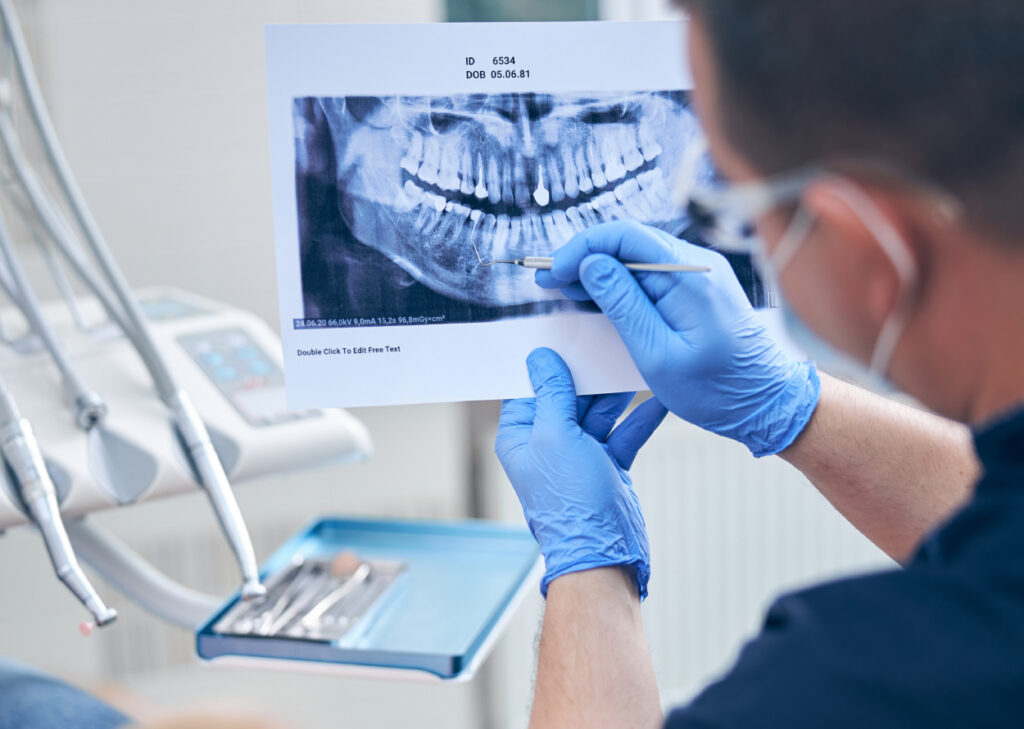
Radiographs may show whether there is bone loss and, if so, whether it is mild, moderate, or more advanced. Sometimes the disease is generalized across the mouth. Sometimes it is concentrated in a few areas, often where crowns overhang slightly, wisdom teeth trap debris, or a retainer makes cleaning difficult.
That diagnostic phase is not busywork. It determines whether the right treatment is a thorough prophylaxis, scaling and root planing, localized antimicrobial therapy, correction of contributing factors, surgical intervention, or a combination.
Non-surgical Gum Disease Treatment often works well when caught in time
Most busy professionals hope to avoid surgery, and often they can, especially when the disease is identified early enough. The backbone of non-surgical Gum Disease Treatment is scaling and root planing, commonly described as a deep cleaning. That phrase is familiar, though it sometimes understates the value of the procedure.
The goal is to remove plaque, tartar, and bacterial toxins from below the gumline and smooth the root surfaces so the tissue can heal and reattach more effectively. Depending on the extent of the disease, this may be completed in one longer appointment or divided into sections. Local anesthesia is commonly used, which makes the procedure much more manageable than many patients expect.
For a high-functioning professional, this stage matters because it can dramatically reduce inflammation with relatively little downtime. Some tenderness is normal afterward. The gums may feel sore for a few days, and cold sensitivity can temporarily increase. Most people can return to work the same day or the next day without any visible issue beyond mild tenderness.
Adjunctive therapies may be recommended in select cases. These can include antimicrobial rinses, localized antibiotics placed in pockets, or more frequent maintenance visits during the healing phase. Not every patient needs every add-on. The best clinicians use them selectively, not routinely.
When surgery becomes the better choice
There are cases where non-surgical care improves the gums but does not solve the full problem. Deep persistent pockets, significant bone loss, difficult root anatomy, and gum defects may require periodontal surgery to create a healthier, maintainable environment.
This is where clear judgment matters. Surgery is not a failure of earlier treatment. Sometimes it is simply the most predictable next step. Flap procedures can give access to areas that cannot be adequately cleaned otherwise. Regenerative techniques may be considered in certain bone defects where the anatomy is favorable. In cases of pronounced recession, grafting may be used to protect roots, reduce sensitivity, and improve stability.
Professionals often ask whether they can delay recommended surgery for six months until a quieter season. The answer depends on the severity and location of the disease. A stable, closely monitored site might allow some scheduling flexibility. An active site with progressive bone loss probably should not wait. The right advice is case specific, not generic.
Time efficiency without rushed care
A common fear among executives, attorneys, physicians, founders, and creatives is that periodontal treatment will become an endless sequence of visits. It can feel that way if care is poorly organized. In a well-run practice, the treatment plan is usually staged with purpose.
For some patients, diagnosis and initial therapy can be completed within a few carefully timed appointments. Follow-up periodontal maintenance is then scheduled at intervals based on risk, commonly every three to four months rather than every six. That shorter interval is not arbitrary. Once a patient has had periodontitis, they usually need a tighter maintenance rhythm to keep bacterial buildup from reestablishing deep inflammation.
This is one place where busy people benefit from systems. Early morning appointments, reserved blocks for longer visits, coordinated hygiene and doctor exams, and digital reminders make a real difference. So does planning treatment around travel. If a patient has a major trip coming up, it may be wise to avoid scheduling a more invasive procedure immediately beforehand. Deep cleaning, on the other hand, can often be timed with far less concern.
The appearance factor, and why it is not superficial
In Beverly Hills, aesthetics are not a trivial issue. People speak for a living, smile for cameras, meet clients face to face, and notice subtle changes quickly. Gum health directly affects appearance. Inflamed gums can look puffy and uneven. Recession can make teeth appear longer and less symmetrical. Chronic bleeding can discourage proper brushing, which then allows stain and buildup to accumulate.
Treating gum disease is not just about preventing tooth loss years down the road. It also improves the look and feel of the smile in the near term. Healthier gums sit more naturally around the teeth. Breath improves. Tenderness fades. Patients often tell me they had not realized how much low-grade discomfort they were carrying until it was gone.
That said, the cosmetic result follows the biology. Some patients hope the gums will look perfect immediately after therapy. Healing takes time. Inflamed tissue can shrink as it recovers, which is healthy, but it may also reveal recession that was previously hidden by swelling. A good clinician prepares patients for that possibility rather than letting it come as a surprise.
Stress, clenching, and the overlooked habits that make treatment harder
One of the more interesting patterns among professionals is how often gum disease overlaps with high stress behaviors. Clenching and grinding do not cause gum disease by themselves, but they can worsen the situation by putting extra force on already compromised teeth. Dry mouth from stress, caffeine, medications, or long stretches of speaking does not help either. Saliva protects the mouth more than most people realize.
Then there is convenience eating. Energy bars, takeout between meetings, sweetened coffee drinks, and late-night snacking can create repeated bacterial fuel if oral hygiene stays inconsistent. Add frequent travel, where flossing and electric brushing routines often slip, and it becomes easy to see why a motivated person can still end up needing Gum Disease Treatment in Beverly Hills.
What matters is not guilt, but pattern recognition. Once patients understand what is feeding the problem, treatment becomes more durable.
How home care changes after treatment
Many people assume they know how to brush and floss, and often they do, in broad terms. But after periodontal treatment, technique becomes more specific. The goal shifts from “clean enough” to “consistently disrupting bacteria at the gumline and between teeth.”
That does not necessarily mean a burdensome routine. It means precision. An electric toothbrush held at the proper angle can outperform hurried aggressive brushing. Interdental brushes may work better than string floss for some spaces. Water flossers help certain patients, especially around bridges or orthodontic retainers, though they usually work best as a supplement rather than a total substitute. If recession or exposed roots are present, a lower-abrasion toothpaste may reduce sensitivity without sacrificing cleanliness.
The most successful patients are not the ones who buy every gadget. They are the ones who use a realistic system every day, even when work gets chaotic.
Questions worth asking before you commit to care
Choosing a provider for Gum Disease Treatment is partly about credentials and partly about communication. If the practice cannot explain your condition clearly, you will have a hard time following through when the schedule tightens.
- How advanced is my gum disease, and is bone loss present?
- Can my case be treated non-surgically, or do you expect surgery may be needed?
- How many visits are likely, and what is the expected recovery after each?
- What will maintenance look like once the active phase is finished?
- Are there specific factors in my habits, medical history, or existing dental work making this worse?
Those questions tend to reveal how thoughtfully the office approaches care. They also help you compare plans without getting distracted by vague language or cosmetic marketing.
The cost of waiting is usually higher than the cost of treatment
Patients sometimes postpone periodontal treatment because they want to avoid expense, inconvenience, or interruption. That instinct is understandable. The catch is that delay often expands all three. A case that could have been controlled with scaling, root planing, and maintenance may later require surgical therapy, replacement of failing dental work, treatment for recession, or even tooth replacement if support is lost.
There is also the less visible cost. Ongoing gum inflammation can make the mouth feel chronically off. Breath confidence drops. Bleeding becomes normal. Patients chew differently around sore areas. They become hesitant to floss because it looks alarming, which then worsens the very condition causing the bleeding.
From a strictly practical standpoint, early treatment is usually the more efficient move. It preserves options.
What a successful outcome really looks like
Success is not just “the gums look better.” In periodontal terms, success means inflammation is controlled, bleeding is reduced or absent, pockets are more manageable, the patient can clean effectively at home, and the condition remains stable over time. Stability is the key word.
For a busy professional, success also means the treatment plan fits real life. The patient understands what was done, why it was necessary, and what maintenance will keep it from returning. They are not trapped in mystery appointments or confused by mixed messages from different providers.
The best outcomes usually come from partnership. The clinical team removes disease and creates a healthier environment. The patient protects that result through maintenance and consistent home care. Neither side can do the whole job alone.
Gum disease has a way of exploiting postponement. It thrives in the gap between noticing and acting. For professionals in Beverly Hills, where time is rationed carefully and appearances matter, that gap can stay open longer than it should. The upside is that modern Gum Disease Treatment is often more straightforward, more comfortable, and more efficient than patients expect. Catch it early, treat it properly, and it can become a managed chapter rather than a much larger problem later.
Dental Group Of Beverly Hills
Address: 8641 Wilshire Blvd #125, Beverly Hills, CA 90211
Phone number: +13109296335
FAQ About Gum Disease Treatment in Beverly Hills
How to improve gum health quickly?
To improve gum health quickly, eliminate plaque buildup by brushing for two full minutes twice a day at a 45-degree angle to the gumline. Floss daily to clean under the gumline, and rinse with an antimicrobial, alcohol-free mouthwash. For immediate relief of soreness, use a warm saltwater rinse.
What is the fastest way to cure gum disease?
To quickly cure early-stage gum disease (gingivitis), eliminate the plaque buildup causing the inflammation. Brush gently but thoroughly for two minutes twice daily, floss daily, and use an antibacterial mouthwash or a warm saltwater rinse. However, if tartar has hardened, professional treatment is necessary.
How do I treat my gum disease at home?
You can treat early gum disease at home by practicing strict daily oral hygiene, rinsing with salt water or antibacterial mouthwash, and quitting smoking. True gum disease (especially advanced forms like periodontitis) cannot be fully cured at home once tartar forms, and you must see a dentist for professional cleanings.