Gum Disease Treatment and Scaling: Everything You Should Know

Most people think of dental problems in terms of cavities, toothaches, or the occasional chipped filling. Gum disease tends to stay in the background until it becomes impossible to ignore. That is part of what makes it so tricky. Early gum disease often hurts very little, progresses quietly, and shows up first in ways people dismiss, a little bleeding when brushing, a bit of bad breath, gums that seem slightly swollen, teeth that look longer than they used to. By the time the problem feels serious, the supporting https://rafaelkghp519.zenbloomer.com/posts/gum-disease-treatment-for-mild-gingivitis-first-steps tissues around the teeth may already be under real strain.
Gum disease treatment is not one single procedure. It is a range of care aimed at stopping infection, controlling inflammation, preserving the bone and soft tissue that hold teeth in place, and helping patients keep the disease from coming back. Scaling, one of the most common parts of treatment, often sits at the center of that process. It sounds simple, and in one sense it is. Plaque and tartar must be removed thoroughly, especially from below the gumline where bacteria thrive. But whether scaling alone is enough depends on how far the disease has progressed, how deep the gum pockets are, and how consistently a patient can manage daily care afterward.
Understanding what scaling does, when it is needed, and what results to expect can take much of the uncertainty out of treatment. It also helps patients make better decisions before minor gingivitis turns into advanced periodontal disease.
What gum disease actually is
Gum disease begins with plaque, a sticky biofilm that constantly forms on teeth. When plaque is not removed well enough, it hardens into tartar, also called calculus. Tartar creates a rough surface that makes it easier for more bacteria to stick. The gums react to that bacterial buildup with inflammation. At first, this stage is called gingivitis. The gums may bleed when brushing or flossing, look redder than usual, and feel tender. Gingivitis is common, and importantly, it is reversible.
The more serious form is periodontitis. At that point, the inflammation no longer affects only the surface gum tissue. The supporting structures around the teeth, including the periodontal ligament and bone, begin to break down. The gum pulls away from the tooth, forming pockets. Those pockets collect more bacteria and debris, which deepens the cycle. Left untreated, periodontitis can lead to loose teeth, shifting bite, gum recession, bone loss, and eventually tooth loss.
One point worth stressing is that gum disease is not always a reflection of neglect in the simplistic sense people imagine. Poor home care plays a major role, but so do smoking, diabetes, dry mouth, certain medications, genetics, hormonal changes, chronic stress, teeth grinding, and old dental work that traps plaque. I have seen patients with otherwise tidy routines develop stubborn periodontal problems because of crowding, recession, or medical conditions that made inflammation harder to control.
The signs people miss for too long
Patients often wait because they assume bleeding gums are normal, especially if they have had the same symptom for years. They are not normal. Healthy gums do not bleed from routine brushing and flossing.
Some warning signs deserve prompt attention:
- bleeding during brushing or flossing
- persistent bad breath or a bad taste in the mouth
- swollen, tender, or receding gums
- teeth that feel loose or appear to shift
- pain when chewing, or new sensitivity around the gumline
Not every sign means advanced periodontitis, but every one of them warrants an examination. A short delay may not matter much. A delay of a year or two can.
Why scaling matters
Scaling is the careful removal of plaque, tartar, and bacterial deposits from the tooth surfaces, especially around and below the gumline. In mild cases, a regular professional cleaning may be enough. In gum disease, however, routine cleaning often does not go deep enough. Once tartar forms beneath the gumline and pockets develop, standard polishing and superficial scaling will not solve the problem.
That is where deeper periodontal scaling comes in, often paired with root planing. Root planing smooths the root surfaces so the gums can reattach more effectively and bacteria have fewer rough areas to cling to. Dentists and hygienists frequently use the phrase “scaling and root planing” together because these steps work hand in hand.
The goal is not cosmetic. It is biological. Remove the bacterial irritants, reduce inflammation, shrink pocket depths where possible, and create conditions the body can heal from. When treatment is done thoroughly and followed by good maintenance, many patients see dramatic improvement in bleeding, swelling, and breath within a matter of weeks.
Regular cleaning versus deep scaling
This distinction causes a lot of confusion. Patients sometimes hear “you need a deep cleaning” and assume it is a sales phrase for an upgraded polishing. It is not the same thing.
A regular dental cleaning is preventive care for patients who do not have significant periodontal pocketing or active destructive gum disease. It focuses on removing plaque and tartar from the visible tooth surfaces and around the gumline.
Deep scaling, by contrast, is therapeutic treatment for active gum disease. It reaches under the gums into periodontal pockets. It takes more time, often requires local anesthetic, and is directed at infection that is already affecting the attachment around the teeth. Insurance plans often classify the two services very differently because they serve different clinical purposes.
That difference matters. If someone with periodontitis receives only routine cleanings every six months, the disease may continue to progress quietly under the gums. It is a little like sweeping the front step while ignoring water damage in the basement. The surface may look better for a while, but the structural problem remains.
What happens during scaling and root planing
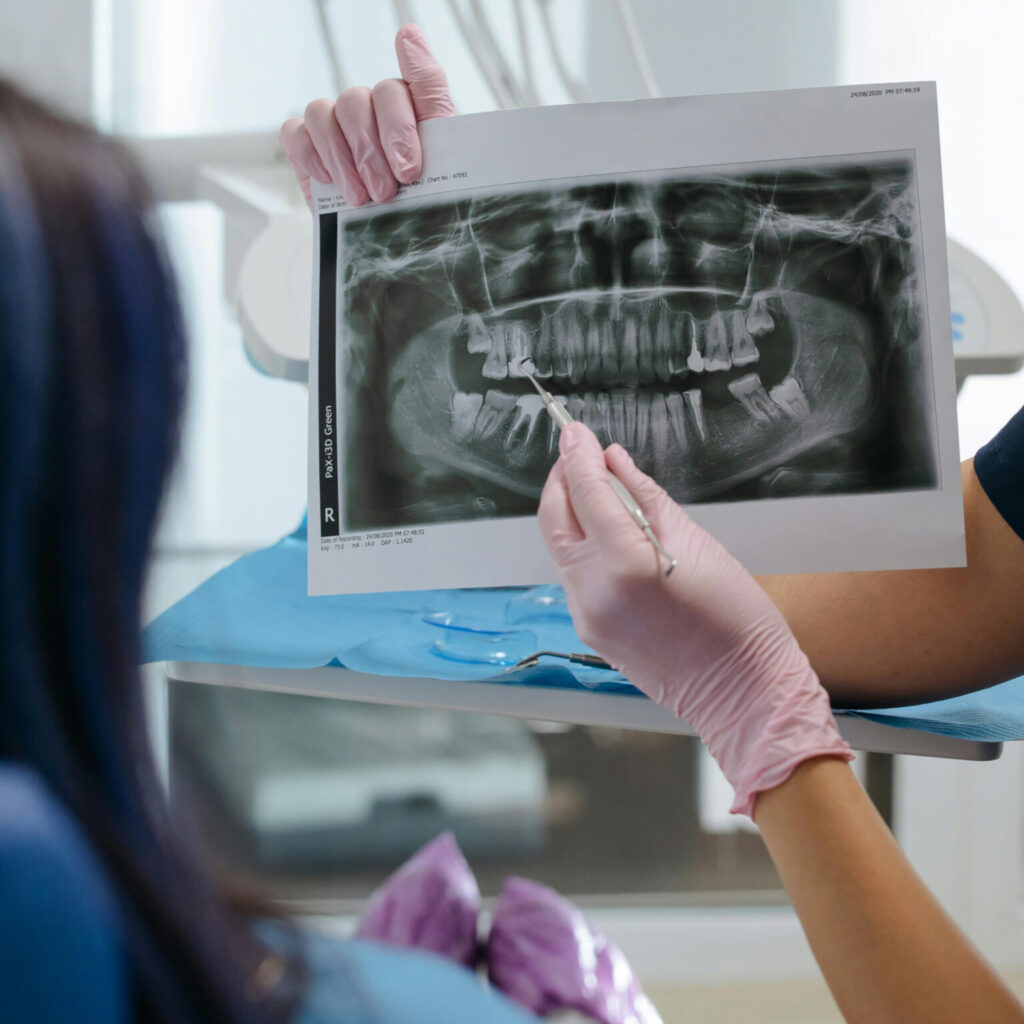
The process usually starts with a periodontal evaluation. The dentist or hygienist measures pocket depths around each tooth using a small probe. Healthy pockets are generally shallow. Deeper pockets suggest attachment loss. X rays may show bone loss, tartar below the gumline, or other complicating factors.
If scaling and root planing is recommended, treatment is often done by section of the mouth rather than all at once. Many practices treat one side or one quadrant per visit so the area can be numbed properly and cleaned thoroughly. Ultrasonic instruments may be used to break up tartar with vibration and water, followed by hand instruments to remove remaining deposits and smooth the root surfaces. The appointment can take anywhere from about 45 minutes to a couple of hours, depending on how many areas are treated and how much buildup is present.
People often ask whether it hurts. With adequate local anesthetic, the procedure itself is usually very manageable. Afterward, mild soreness, tenderness, temperature sensitivity, and slight bleeding can occur for a few days. Some patients feel almost nothing beyond awareness that the gums were worked on. Others, especially those with heavy inflammation at baseline, feel tender for a bit longer. The discomfort is usually far less dramatic than they feared.
There is also an emotional side to these visits that should not be ignored. Patients who have postponed care often arrive embarrassed, expecting judgment. Good periodontal care works best when the clinical team explains what is happening clearly and focuses on next steps rather than blame. Shame does not improve plaque control. Understanding does.
What scaling can and cannot fix
Scaling is highly effective, but it is not magic. In gingivitis, professional cleaning plus improved home care can restore health completely. In periodontitis, scaling and root planing can halt or significantly slow disease progression, reduce bleeding, improve tissue tone, and shrink pockets. In many moderate cases, that is enough to stabilize the situation for years.
What it cannot do is regrow every bit of lost bone or fully reverse longstanding recession. If bone support has already been destroyed, treatment focuses on preserving what remains and reducing the chance of further breakdown. Some teeth regain firmness once inflammation settles. Others remain compromised because too much support has been lost.
This is where clinical judgment matters. A patient with a few 4 to 5 millimeter pockets and localized inflammation may respond beautifully to non surgical therapy alone. Another patient with generalized 7 to 9 millimeter pockets, furcation involvement around molars, and heavy smoking history may need additional periodontal procedures after scaling. The same treatment name can lead to very different care plans depending on disease severity.
When antibiotics or other treatments are added
Not every case of gum disease needs antibiotics. In fact, they are often overestimated by patients who expect infection to behave like a sore throat or sinus problem. Periodontal disease is a biofilm-driven condition. Mechanical disruption of plaque and tartar is the foundation. Antibiotics without proper debridement rarely solve much.
That said, antibiotics may be used in selected situations, especially with aggressive disease patterns, persistent infection, certain medical risk factors, or specific bacterial profiles. Sometimes a local antibiotic is placed directly into a pocket after scaling. In other cases, systemic antibiotics may be prescribed.
Additional treatment may include antiseptic mouth rinses, bite adjustment when trauma from grinding worsens mobility, replacement of overhanging restorations that trap plaque, or referral to a periodontist for advanced therapy. Surgical options can include flap procedures to gain access for deeper cleaning, regenerative techniques in selected defects, or grafting for recession and soft tissue support.
Recovery after scaling
The healing period after deep scaling is usually straightforward, but it is not something to coast through casually. The first week often sets the tone for how well the gums settle.
Patients tend to do best when they keep aftercare simple and consistent:
- brush gently but thoroughly, even if the gums are tender
- clean between the teeth daily as directed, with floss, picks, or interdental brushes
- use any prescribed rinse exactly as instructed
- avoid smoking, which slows healing and worsens outcomes
- return for the follow-up visit, even if the mouth already feels better
One common mistake is backing off brushing because the gums bleed. If the clinician has not told you to avoid a treated area for a specific reason, gentle plaque removal is part of healing. Another mistake is assuming one deep cleaning “fixes” everything permanently. Gum disease treatment is less like repairing a broken appliance and more like controlling a chronic condition. The procedure is the reset, not the whole story.
How long results last
Results last as long as the bacterial burden stays controlled and the patient returns for maintenance. That sounds blunt because it needs to be. Periodontal disease can become quiet, but patients who have had it remain more vulnerable than someone who never developed it in the first place.
Most people treated for periodontitis need periodontal maintenance visits more often than standard six month cleanings. Three or four months is common, though the exact schedule depends on pocket depths, bleeding scores, home care, smoking status, diabetes control, and how stable things look over time. Maintenance visits allow the team to disrupt plaque before it matures, monitor pocket changes, and catch relapses early.
I have seen two patients with nearly identical starting conditions end up in very different places. One took the maintenance schedule seriously, used interdental brushes every night, and reduced smoking significantly. Five years later, his pockets were mostly stable and he had kept all his teeth. The other disappeared after treatment, came back when a molar loosened, and needed extraction and more extensive therapy. The initial scaling was not the difference. The follow-through was.
Home care is not optional
Daily plaque control is where Gum Disease Treatment either holds or slips. Brushing twice a day is the baseline, not the full plan. The spaces between teeth matter just as much, sometimes more, because those areas collect undisturbed plaque and are common sites of bleeding.
The best home care tools vary. Traditional floss works well for tight contacts if used properly. Interdental brushes are often more effective for larger spaces, bridges, and many periodontal patients. Water flossers can help, especially for people with dexterity issues or orthodontic appliances, though they usually work best as an addition rather than a total substitute. Electric toothbrushes often improve consistency because they help with timing and pressure control.
Technique matters more than gadget cost. A well-used soft manual brush and simple interdental cleaner can outperform expensive devices used irregularly. The winning routine is the one a person can repeat every day without fail.
Risk factors that change the picture
Smoking remains one of the strongest risk factors for gum disease progression and poor healing. Smokers may show less obvious bleeding, which can create a false sense of security while damage continues under the surface. When smokers quit or reduce substantially, periodontal treatment tends to respond better.
Diabetes, especially when poorly controlled, also changes the equation. The relationship goes both ways. Gum inflammation can make blood sugar control harder, and elevated blood sugar can worsen periodontal breakdown and healing. Patients with diabetes often do very well with coordinated medical and dental care, but the disease is less forgiving when either side is neglected.
Pregnancy, menopause, certain immune conditions, dry mouth from medications, and a history of grinding or clenching can all influence treatment planning and maintenance frequency. This is why a good periodontal evaluation looks beyond the mouth. The gums are local tissue, but they reflect whole-body patterns.
Cost, time, and the question patients often avoid
Many people quietly want to know whether scaling is really worth the expense and inconvenience. Fair question. Deep cleaning appointments take time, can involve multiple visits, and may cost significantly more than routine cleanings. Additional maintenance, X rays, or specialty referral can add to that.
The practical answer is that treating gum disease early is usually far less costly than delaying it. A couple of scaling visits and regular maintenance are almost always cheaper than extractions, implants, bridges, bone grafting, management of abscesses, or replacing a collapsing bite. That is before factoring in lost work time, pain, and the difficulty of restoring function after advanced periodontal destruction.
There are limits, of course. Sometimes a tooth is already too compromised to justify heroic treatment. A tooth with severe mobility, advanced bone loss, recurrent abscessing, and little strategic value may be a poor candidate for ongoing periodontal therapy. Saving teeth is generally preferable when prognosis is reasonable, but not every tooth can or should be saved at all costs. Honest treatment planning means recognizing both possibilities.
When to see a periodontist
Many general dentists manage mild to moderate periodontal cases very well. Referral to a periodontist becomes more important when disease is advanced, response to initial treatment is poor, surgical care may be needed, recession is severe, or there are complicating factors such as furcation defects, implant problems, or aggressive bone loss at a younger age.
Patients sometimes interpret referral as bad news. It is better viewed as appropriate specialization. Just as a cardiologist handles more complex heart conditions, a periodontist brings focused training in gum and bone support. Often the referral simply means the case deserves a closer look and a wider range of treatment options.
What a good outcome really looks like
A good outcome is not always perfectly pink gums and textbook numbers at every site. Real mouths are messy. Fillings age, dexterity varies, medications change, and life interrupts routines. A good outcome is stable support, reduced inflammation, manageable pocket depths, minimal bleeding, comfortable chewing, and a maintenance routine the patient can actually sustain.
For one person, success means reversing gingivitis after a few neglected years. For another, it means keeping a challenging dentition functional and comfortable for a decade longer than expected. The standard is not perfection. The standard is disease control and preservation.
That is the central idea behind Gum Disease Treatment. Scaling is not merely a cleaning with a different label. It is a targeted effort to stop a chronic infection from damaging the structures that keep teeth in place. The earlier it is done, the simpler the path tends to be. The later it is delayed, the more treatment shifts from prevention to salvage.
Bleeding gums are not a minor quirk. Persistent bad breath is not always about mouthwash. Teeth that seem to be drifting are not just part of getting older. These signs mean the gums deserve attention. With timely scaling, thoughtful follow-up, and solid daily care, many cases of gum disease can be brought under control before they become the reason a healthy-looking smile starts to fail.
Dental Group Of Beverly Hills
Address: 8641 Wilshire Blvd #125, Beverly Hills, CA 90211
Phone number: +13109296335
FAQ About Gum Disease Treatment
How to improve gum health quickly?
To improve gum health quickly, eliminate plaque buildup by brushing for two full minutes twice a day at a 45-degree angle to the gumline. Floss daily to clean under the gumline, and rinse with an antimicrobial, alcohol-free mouthwash. For immediate relief of soreness, use a warm saltwater rinse.
What is the fastest way to cure gum disease?
To quickly cure early-stage gum disease (gingivitis), eliminate the plaque buildup causing the inflammation. Brush gently but thoroughly for two minutes twice daily, floss daily, and use an antibacterial mouthwash or a warm saltwater rinse. However, if tartar has hardened, professional treatment is necessary.
How do I treat my gum disease at home?
You can treat early gum disease at home by practicing strict daily oral hygiene, rinsing with salt water or antibacterial mouthwash, and quitting smoking. True gum disease (especially advanced forms like periodontitis) cannot be fully cured at home once tartar forms, and you must see a dentist for professional cleanings.