Dental Bonding for a Natural-Looking Smile Makeover


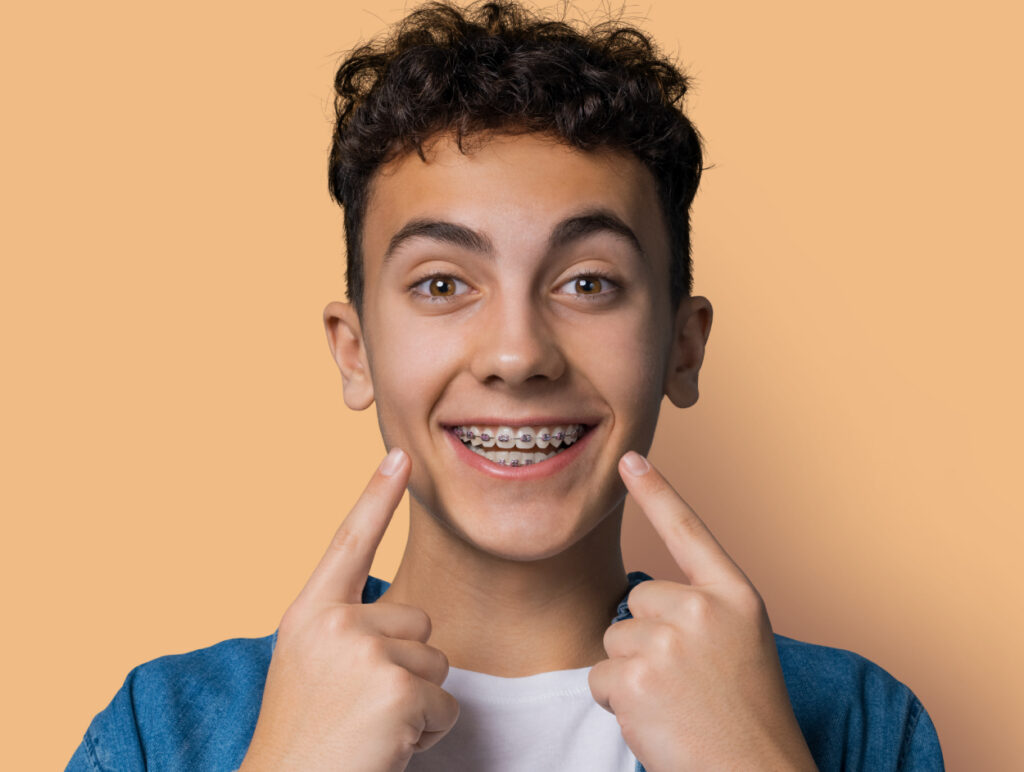
A smile makeover does not always require porcelain veneers, orthodontics, or months of treatment. In many cases, dental bonding offers a simpler path, especially for people who want to soften small flaws without reshaping their entire smile. It is one of the most conservative cosmetic procedures in dentistry, and when it is done well, it can be remarkably difficult to spot.
That last part matters. Most patients are not asking for a smile that looks obviously "done." They want the chipped front tooth to disappear. They want one peg-shaped lateral incisor to blend in. They want the edges to look smoother, the spaces slightly smaller, the color more even. They want friends to say, "You look great," not, "What happened to your teeth?"
Dental Bonding sits in that space between basic repair and cosmetic refinement. It can be practical and artistic at the same time. The material is a tooth-colored composite resin, similar to what dentists use for many fillings, but the technique is different when the goal is appearance. The dentist is sculpting light, contour, texture, and shade by hand. A few millimeters of resin can change how a whole smile is perceived.
What dental bonding actually changes
Dental bonding is best understood as additive dentistry. Instead of removing substantial enamel and placing a laboratory-made restoration, the dentist typically adds composite directly to the tooth and shapes it in the chair. That makes it appealing for conservative treatment plans and for patients who want visible improvement with less commitment.
In practice, bonding is often used to correct chips, worn corners, tiny cracks, mild spacing, uneven edges, short-looking teeth, and certain shape discrepancies. It can also cover areas of discoloration, though that depends on how dark the stain is and whether the underlying color will show through. Some patients use bonding as a finishing touch after orthodontic treatment, when the teeth are straighter but still not quite symmetrical.
The best cases are usually moderate, not extreme. Bonding can do a lot, but it is not magic. A tooth with a major bite problem, heavy grinding damage, or severe discoloration may need a more durable or more opaque solution. Good cosmetic dentistry is not about pushing one treatment onto every smile. It is about matching the material to the job.
Why bonding often looks more natural than people expect
People sometimes assume that anything cosmetic will look artificial. That is usually the result of poor planning, bulky contours, or mismatched shades, not the idea of cosmetic treatment itself. Well-executed Dental Bonding can look natural because it respects the original tooth. The dentist often works within the existing anatomy, preserving what already looks good and modifying only what distracts from the smile.
Natural teeth are not one flat color. They have translucency at the edge, more opacity in the body, slight texture on the surface, and subtle light reflection that changes from tooth to tooth. An experienced dentist accounts for this. In small bonding cases, a single shade may be enough. In more cosmetic cases, layering different composite opacities can make the restoration blend far better under daylight and indoor lighting.
Surface shape is just as important as color. A tooth that is too smooth, too round, too square, or too wide can look unnatural even if the shade is perfect. The eye notices proportion quickly. One millimeter added in the wrong place can make a central incisor look heavy. One line angle shifted slightly inward can make the same tooth look slimmer and more elegant. That is why cosmetic bonding is technique-sensitive. It is not simply "filling in" a flaw.
The appointment experience, chairside and practical
One reason patients ask about bonding is convenience. In many cases, the work can be completed in a single visit. There is often little to no drilling, and anesthesia may not be necessary unless the bonding is replacing decay or the dentist needs to adjust a sensitive area. For someone who has put off cosmetic treatment because they do not want a long process, this can be a relief.
The basic sequence is straightforward. The tooth is cleaned, the surface is prepared, and an etching gel is used to create microscopic roughness so the bonding material can adhere. A bonding agent is applied, then the composite resin is added in small increments, sculpted, and hardened with a curing light. Once the form is right, the dentist fine-tunes the bite and polishes the surface.
That description sounds simple. The artistry is in the details. I have seen two bonding cases that technically addressed the same problem, a chipped front edge, yet one disappeared completely and the other drew attention every time the patient spoke. The difference was not the material. It was how carefully the edge translucency, contour, and polish were managed.
Patients often feel surprised by how small the changes are during the appointment and how large they seem when they look in the mirror afterward. A tiny gap closed, one uneven corner repaired, one tooth made slightly longer, and the whole smile appears calmer and more balanced.
Where dental bonding shines
Bonding has a sweet spot. It performs especially well when the enamel is healthy, the bite is reasonably stable, and the cosmetic issue is localized. A patient with a small chip from biting a fork, a minor gap that catches the eye in photographs, or naturally undersized lateral incisors can get a meaningful improvement without aggressive treatment.
It is also useful as a trial run for bigger cosmetic changes. Some patients are considering veneers but are unsure about shape, length, or how a broader smile design will look on their face. Bonding can serve as a reversible or semi-reversible preview. It lets the patient live with a shape change before committing to a more permanent route.
For younger patients, that conservatism matters even more. A person in their late teens or twenties may not be a good candidate for veneers simply because preserving enamel is valuable over a lifetime. Bonding can often bridge that gap, giving them an aesthetic improvement now without forcing an irreversible choice too early.
The trade-offs patients should understand
Bonding is conservative, but it is not as strong or stain-resistant as porcelain. That does not make it inferior. It makes it different.
Composite resin is more prone to wear, edge chipping, and discoloration over time, especially in people who drink a lot of coffee, tea, or red wine, smoke, bite their nails, chew ice, or clench heavily. A bonded edge on a front tooth may last many years in one patient and need repair much sooner in another. Lifestyle and bite patterns matter.
This is where expectation-setting is important. If a patient wants the most durable finish and the highest resistance to staining, porcelain veneers may be a better long-term choice for some smile makeover goals. If they want minimal tooth alteration, lower upfront cost, and the ability to make conservative changes, Dental Bonding may be the better fit. Neither answer is universally correct.
A useful way to think about the trade-offs is this:
| Consideration | Dental bonding | Porcelain veneers | | | | | | Tooth reduction | Usually minimal or none | Often requires some enamel reshaping | | Timeline | Often one visit | Usually two or more visits | | Repairability | Easier to patch or modify | More difficult, often requires remake if damaged | | Stain resistance | Moderate | High | | Longevity | Good, but variable | Often longer lasting with proper care | | Cost | Lower upfront cost in many cases | Higher upfront investment |
That table simplifies a nuanced decision, but it captures the broad pattern seen in everyday practice.
How long dental bonding lasts in real life
Patients often ask for an exact number. Dentistry rarely works that neatly. Bonding can last anywhere from a few years to well beyond that depending on the location, the amount of material used, oral habits, and the precision of the original work. Small bonding repairs in low-stress areas often hold up beautifully. Larger cosmetic additions on the edges of front teeth, especially in people who grind, live a harder life.
What matters more than a headline number is maintenance history. Does the patient wear a night guard if they clench? Are they attending regular cleanings? Do they use their front teeth to open packages or tear food in a way that stresses the edge? Does the bonding sit in a bite that constantly hits first when they close? These factors usually determine longevity more than the marketing language around the procedure.
Another practical point, bonding tends to age gradually. It may pick up stain, lose some luster, or chip slightly at the edge rather than failing all at once. That can be an advantage. Minor wear can often be polished or repaired without starting from zero.
Color matching is harder than most people realize
Matching a front tooth is one of the more demanding aesthetic tasks in dentistry. Natural enamel reflects and transmits light in complicated ways, and color shifts depending on hydration, surrounding teeth, lipstick, skin tone, and even the room lighting. A bonded tooth can look perfect under the overhead light and slightly off near a window if the shade selection was rushed.
This is one reason many dentists prefer to evaluate cosmetic shade carefully before treatment, sometimes after a cleaning and before the teeth have dehydrated under cotton isolation. Teeth that dry out can appear temporarily lighter. If a dentist matches the resin to that dried shade, the restoration may end up too bright once the teeth rehydrate.
Whitening also enters the conversation here. If a patient plans to whiten, it usually makes sense to do that first and then match the bonding to the new shade. Composite does not whiten the way natural teeth do. If bonding is placed first and the patient whitens later, the natural tooth may change while the bonded portion does not, creating a mismatch.
Good candidates, and the cases that deserve caution
The ideal candidate for bonding usually has healthy gums, good oral hygiene, realistic expectations, and a cosmetic concern that is limited enough to be improved with additive shaping. Their bite is not excessively destructive, and they understand that touch-ups may be part of the long game.
There are also cases where caution is wise. Severe crowding or major spacing may need orthodontics first. Deep intrinsic discoloration may be better treated with veneers or crowns, depending on the tooth and the cause. Large broken teeth that have already lost significant structure may need something stronger than direct composite. Patients with uncontrolled grinding can still have bonding, but only if they understand the maintenance and are willing to protect it with a night guard.
Some of the most disappointing outcomes happen when bonding is used to compensate for a problem it cannot realistically solve. For example, trying to make very dark teeth look uniformly bright white with direct composite on only a few surfaces can create opacity problems and an unnatural finish. Another common issue is trying to close a large gap by making both teeth too wide. The space disappears, but the proportions look off. A skilled dentist will say no when needed, or at least offer a staged alternative.
Questions worth asking before you commit
A cosmetic consultation should feel specific, not generic. The dentist should be able to explain what can be improved, what the limits are, and how the result will age.
Here are a few useful questions to ask:
- How much of my natural enamel will need to be altered, if any?
- Is my bite likely to shorten the life of the bonding?
- Should I whiten before treatment so the color match lasts better?
- Do you have before-and-after examples of cases similar to mine?
- If a corner chips or stains later, can it be repaired conservatively?
The quality of the answers often tells you as much as the portfolio. Clear, balanced explanations usually signal good judgment.
The role of bite, often overlooked and often decisive
When people think about cosmetic dentistry, they focus on appearance. Dentists who do a lot of bonding also think about force. Where the upper and lower teeth meet determines whether that beautifully sculpted edge will survive.
A bonded front tooth that lands heavily every time the patient closes may chip no matter how polished or carefully layered it is. Sometimes a tiny adjustment to the bite makes the difference between constant repairs and years of stability. This is especially relevant for https://remingtonwnmj319.iamarrows.com/can-dental-bonding-strengthen-weak-teeth patients with edge-to-edge bites, deep bites, or parafunctional habits such as nighttime clenching.
The best cosmetic results are functional results. If the dentist only looks at the tooth straight on and ignores how the jaw moves, the restoration may photograph well and fail fast. Patients do not always realize that a smile makeover is partly engineering.
Aftercare is simple, but it is not optional
Bonded teeth do not need exotic maintenance, but they do benefit from common-sense care. The surface of polished composite can stay attractive for years, though it is not as glass-like as porcelain. Habits show up on it faster.
A few aftercare rules make a genuine difference:
- Avoid using front teeth as tools for opening packages or tearing hard items.
- Limit frequent exposure to staining drinks, or rinse with water afterward.
- Wear a night guard if you grind or clench.
- Keep regular cleanings so small rough areas can be polished early.
- Call promptly if you feel a chipped edge, because minor repairs are easier than major ones.
That is the kind of maintenance most patients can live with comfortably. It is not burdensome, but it does ask for some respect for the material.
Cost, value, and why cheaper is not always cheaper
Bonding is often described as a budget-friendly cosmetic treatment, and compared with veneers, that is frequently true. Still, price alone is a poor guide. A low-fee bonding case that stains quickly, feels bulky, or chips repeatedly may cost more in repairs and dissatisfaction than a thoughtfully planned treatment done once.
Value comes from appropriate case selection, aesthetic judgment, and follow-up care. A dentist who rushes through shape and polish may save chair time, but the result can look flat or obvious. On the other hand, a dentist who spends time evaluating facial symmetry, incisal edge position, smile line, and bite may produce work that looks subtle for years.
This is one area of dentistry where patients benefit from asking to see real cases, especially before-and-after images of front teeth in normal lighting, not just highly edited close-ups. It also helps to ask how often the practice performs cosmetic bonding and whether refinements are built into the treatment process if small adjustments are needed after you see the result in everyday life.
Small changes can have an outsized effect
One of the most compelling things about Dental Bonding is how little material can change the character of a smile. A rough chip can make a tooth look unhealthy even when the rest of the mouth is fine. A triangular gap can pull all the attention in conversation. A single undersized tooth can make the arch feel unbalanced. When those details are corrected with restraint, people often look younger, more polished, or simply more at ease.
That does not mean every smile should be perfected. Some asymmetry is natural. Some edge wear suits the face. The best bonding does not erase personality. It edits distraction.
I have seen patients become more expressive after very minor bonding treatment. They stop covering their mouth when they laugh. They stop smiling with closed lips in photographs. Nothing dramatic happened clinically. The teeth still look like theirs. That is often the strongest compliment a cosmetic treatment can earn.
When dental bonding is the right smile makeover
A natural-looking smile makeover is rarely about choosing the biggest treatment. It is about choosing the most precise one. Dental Bonding can be exactly right when the goal is refinement rather than reinvention, when enamel preservation matters, and when the imperfections are small enough that careful sculpting can bring the whole smile into better balance.
It works best in experienced hands, with realistic expectations and a plan for maintenance. It rewards subtlety. It asks the dentist to notice proportion, light, bite, and texture, not just color. For the right patient, that combination can produce a result that feels almost effortless, even though a great deal of thought went into it.
If you are considering cosmetic dental treatment and your concerns are modest in size but significant in how they affect your confidence, bonding deserves a serious look. Done thoughtfully, it can deliver what many people actually want from a smile makeover, improvement that is visible, believable, and unmistakably your own.
Toothworks of Bakersfield, Dentist and Orthodontist
Address: 1030 H St #1, Bakersfield, CA 93304
Phone number: +16613239421
FAQ About Dental Bonding
How long does dental bonding last?
Dental bonding typically lasts between 3 and 10 years (averaging about 5 to 8 years) before it needs a touch-up or replacement. Its lifespan depends heavily on your daily habits, where the bonding is placed in your mouth, and how well you care for your teeth.
How expensive is bonding a tooth?
Dental bonding typically costs between $100 and $600 per tooth, with a national average of about $431 per tooth.
What are the downsides of dental bonding?
Dental bonding has several drawbacks, including lower durability, a shorter lifespan, and a tendency to stain compared to alternatives like porcelain veneers.