Can Dental Bonding Improve Tooth Shape and Length?

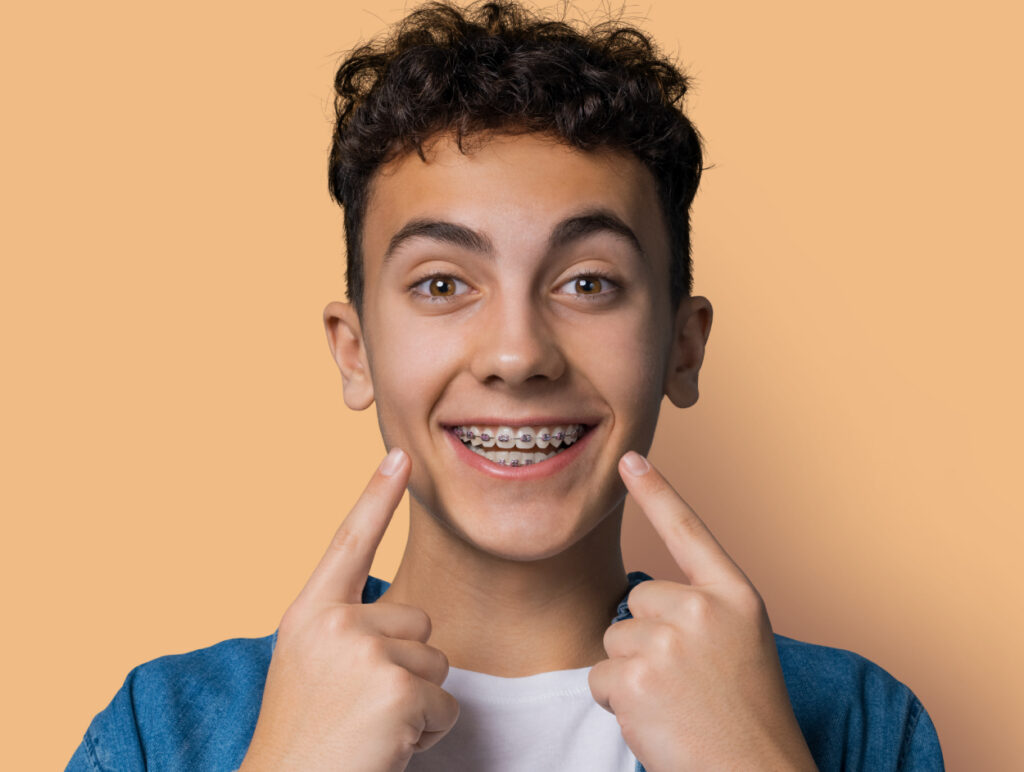
Dental bonding can absolutely improve tooth shape and apparent tooth length, and in the right case it can do so quickly, conservatively, and at a far lower cost than veneers or crowns. That said, the useful answer is not simply yes. The better answer is that bonding works best when the change is modest to moderate, the bite is favorable, and the patient understands both the strengths and the limits of composite resin.
Dentists use bonding every day to repair chips, close small spaces, soften sharp edges, and make teeth look more even. One of the most satisfying uses is reshaping a tooth that is slightly too short, https://angelozndv982.image-perth.org/how-to-care-for-dental-bonding-with-good-oral-hygiene worn down, uneven, or oddly contoured. A central incisor with a small corner fracture can often be rebuilt in one visit. A peg lateral can be broadened and lengthened so it finally looks proportionate. A canine that appears too pointed can be rounded and blended. Those are common, practical examples, not cosmetic fantasy.
What makes bonding so appealing is that it often preserves nearly all of the natural tooth. In many cases, there is little to no drilling. The dentist roughens the enamel, applies a bonding agent, layers tooth-colored composite, sculpts it into the desired shape, then hardens and polishes it. When done well, the result can look remarkably natural under normal speaking and smiling conditions. Patients often walk out surprised by how much a small change in edge length or contour improves the whole smile.
What dental bonding actually changes
To understand whether dental bonding can improve shape and length, it helps to separate those two goals.
Shape is usually the easier target. Composite resin can be added to widen a narrow tooth, round a square edge, smooth a chip, mask a small twist visually, or create better symmetry between left and right sides. Dentists think in millimeters, and sometimes even fractions of a millimeter make a noticeable difference. If one front tooth is slightly flatter and the matching tooth has more curve and life, a careful bit of composite can restore that harmony.
Length is a little more nuanced. Bonding can add to the biting edge of a tooth, which makes the tooth appear longer. This works especially well when a front tooth has been shortened by a chip, minor wear, or a naturally uneven edge. It can also help when gum levels are even but the incisal edges are not. However, if the tooth looks short because too much gum covers it, or because the tooth never fully erupted into the right position, bonding may not solve the core issue by itself.
A common real-world example is the patient who says, “My two front teeth look stubby.” Sometimes they are not truly short. They may be worn from grinding, so the edges have flattened and lost their youthful translucency. Bonding can rebuild those edges and bring back a little vertical height. But if the patient also has a deep bite and keeps hitting those same edges every time they chew, the new bonding may chip unless the bite is addressed.
Where bonding shines, and where it does not
Dental bonding is at its best when the dentist is adding material rather than aggressively removing tooth structure. It is ideal for edge repairs, contour corrections, and modest lengthening. It is less ideal when major color change, major alignment correction, or severe bite stress is involved.
There is also an artistic side to this work that patients do not always see. Making a tooth longer is not just a matter of tacking resin onto the bottom. If the added length is too flat, too opaque, or too bulky, it catches the eye immediately. The dentist has to think about line angles, facial contour, translucency, surface texture, and how the tooth moves in the light. A half millimeter in the wrong place can make a tooth look heavy or fake. A half millimeter in the right place can make it look youthful and balanced.
The most reliable cosmetic bonding usually happens when the goals are clear and realistic. If a patient wants dramatic transformation on six or eight front teeth, porcelain veneers may provide more predictability and stain resistance. If the goal is repairing one chipped edge or making two front teeth look more even, bonding can be the elegant answer.
When short teeth are not really a bonding problem
Not every short-looking tooth should be lengthened with composite. This is where diagnosis matters more than enthusiasm.
Sometimes the tooth is hidden by excess gum tissue. In that situation, a gum recontouring procedure may reveal more natural tooth and create a better proportion without adding restorative material. Other times the front teeth have worn down because of nighttime clenching. Bonding can replace the lost structure, but unless the grinding is managed, the restoration is being asked to survive the same damaging forces that wore down the natural enamel.
There are also orthodontic considerations. A tooth can appear short because it is tucked behind another tooth or slightly rotated. Bonding may camouflage the issue, but braces or clear aligners could provide a cleaner long-term correction. Dentists and orthodontists often weigh these choices together. In some cases, a small amount of tooth movement followed by fine-detail bonding gives the best result of all.
An experienced clinician will usually ask a few practical questions before recommending lengthening. Are the lower teeth contacting the upper front edges heavily? Is there evidence of bruxism? Are the gums stable? Is the patient looking for a subtle refinement or a magazine-cover makeover? Those answers shape the treatment plan more than the material itself.
How much length can bonding add?
This is one of the most common questions, and the honest answer is that it depends on the bite, the tooth, and the purpose. Small additions are routine. Adding around 1 to 2 millimeters to the edge of a front tooth is often very feasible when conditions are favorable. In select cases, slightly more can work, but the risk of chipping, bulkiness, or awkward function rises as the extension gets larger.
Lengthening is not just about whether composite can physically stick to the tooth. It is about whether that new edge can live comfortably in the bite. If the patient’s lower incisors strike the bonded area repeatedly during speech or chewing, durability drops. This is why mockups, bite checks, and careful finishing are so important. A cosmetic result that looks good on a mirror selfie but feels wrong during a sandwich is not a success.
The other factor is proportion. Front teeth have visual relationships to each other. A dentist may lengthen one tooth only to realize that the neighboring teeth now need slight refinement too, otherwise the smile looks mismatched. Sometimes the best result comes from subtle adjustments across two, four, or even six visible front teeth, not because all of them are damaged, but because symmetry reads better than isolated correction.
The appointment itself
For many patients, bonding is appealing because the process is straightforward. Often it can be done without anesthetic if the dentist is only adding material and not drilling into sensitive areas. The tooth is cleaned, lightly prepared, and isolated. Then comes shade matching, which is more complex than it sounds. Natural teeth are not one flat color. They have brighter and more translucent zones, and front teeth often change appearance from neck to edge. Skilled dentists may use more than one composite shade to mimic that variation.
The resin is placed in layers and shaped before each layer is cured with a blue light. Once the anatomy is built, the dentist contours and polishes the surface. The polishing step matters. Composite that is well polished reflects light better, feels smoother to the tongue, and tends to attract less stain over time.
One patient I once heard described it perfectly after a front-edge repair: “I forgot which tooth it was.” That is the benchmark people really want. Not just fixed, but natural enough to stop noticing.
How long does dental bonding last?
Dental bonding can last several years, but it is not a forever material. In day-to-day practice, a reasonable expectation is often around 3 to 10 years, depending on where the bonding is placed, how much force it takes, the patient’s habits, and the quality of the original work. A tiny edge repair on someone with a gentle bite may look good for a long time. Larger cosmetic additions on a grinder may need maintenance sooner.
Composite is less stain resistant and generally less wear resistant than porcelain. Coffee, tea, red wine, tobacco, and strongly pigmented foods can gradually discolor it. Nail biting, pen chewing, tearing packages with the teeth, and ice crunching shorten its life. This does not make bonding a poor choice. It simply means it is a repairable, maintainable choice rather than a set-it-and-forget-it one.
That repairability is actually one of bonding’s great advantages. If a small chip develops, the dentist can often roughen the area and add fresh composite without remaking the entire restoration. Porcelain tends to be more durable in some situations, but when it fails, the repair process is usually more involved.
A practical comparison with veneers
Patients often ask whether bonding or veneers are better for improving shape and length. Better is the wrong word. More appropriate is the useful phrase.
Bonding is conservative, faster, and less expensive. It is excellent for smaller corrections and for patients who want to preserve natural enamel. Veneers are stronger in terms of long-term gloss retention and stain resistance, and they can create more dramatic aesthetic changes across multiple front teeth. They also usually involve more planning, more cost, and some irreversible preparation of the tooth.
The decision often comes down to scale. If one tooth is chipped and another is a bit short, bonding makes sense. If four front teeth are discolored, worn, misshapen, and slightly mismatched in position, veneers may offer a more comprehensive and predictable cosmetic result.
Who tends to be a good candidate
Some people are almost made for bonding. Others are better served by a different route.
- Patients with small chips, slight wear, or naturally uneven incisal edges
- People who want a conservative fix with little or no drilling
- Those needing minor reshaping of peg laterals or small gaps
- Patients with stable gums and a relatively favorable bite
- People who understand that maintenance may be needed over time
A person who grinds heavily, has untreated gum disease, wants a very dramatic whitening effect, or needs major alignment correction may not be the best bonding candidate, at least not as a standalone treatment. Those cases often benefit from a broader plan.
The importance of bite, perhaps more than patients realize
Aesthetics get attention, but bite determines survival. When dentists evaluate whether bonding can safely lengthen a tooth, they are not just admiring the smile from the front. They are checking how the teeth meet in motion. They want to know what happens when the patient closes, slides side to side, and speaks. If the new bonding lands in a high-contact zone, it is under constant challenge.
This is especially relevant in patients with deep overbites. The upper front teeth may overlap the lowers so much that any extra material on the edge gets struck repeatedly. In these situations, the dentist might recommend limited bonding combined with a night guard, or orthodontic treatment first, or a more durable restorative approach. Good clinicians do not sell a cosmetic fix that is set up to fail.
Color, texture, and why some bonding looks obvious
Most patients can spot poor bonding even if they cannot explain why. It may be too white, too chalky, too dull, too smooth, or too thick at the edge. Natural teeth have microtexture, a little variation in gloss, and subtle light transmission. Front teeth are not bathroom tile.
This is one reason why photographs of same-day bonding can be misleading. A result may look impressive under bright operatory lighting right after polish, yet appear different in daylight a week later. Experienced cosmetic dentists account for this. They often discuss shade in normal lighting, consider lip line and facial features, and aim for a result that disappears into the smile rather than announces itself.
If you are considering bonding for shape or length, it is worth asking to see real before-and-after cases from the dentist’s own practice. Not stock photos, not isolated glamour shots, but examples similar to your issue. A chipped central incisor, a worn edge, a peg lateral. Good case selection tells you a lot.
Cost and value
Costs vary widely by region, by the complexity of the case, and by the dentist’s experience. A small edge repair on one tooth is a very different procedure from artistic reshaping on several front teeth. Bonding is usually less expensive than veneers, which makes it attractive for patients who want visible cosmetic improvement without committing to a large treatment plan.
Value, though, is not just the initial fee. It includes longevity, appearance, and how often repairs may be needed. A lower upfront cost can still be the smart choice if the clinical situation suits bonding well. On the other hand, if a patient wants broad smile redesign with long-term color stability, porcelain may ultimately be more cost-effective despite the higher starting price.
Aftercare matters more than many people expect
Composite resin is durable, but it benefits from common-sense habits. Patients who get the best lifespan from bonding usually make a few simple adjustments.
- Wear a night guard if you clench or grind
- Avoid using front teeth as tools
- Limit habits like ice chewing and pen biting
- Keep up with regular cleanings and polish checks
- Ask for a prompt repair if you notice a rough edge or small chip
That last point matters. Tiny flaws are easier to correct early. Waiting until a chip grows or staining deepens can turn a minor touch-up into a more involved remake.
Questions worth asking before you commit
Before moving ahead with Dental Bonding, ask your dentist how much length they recommend and why. Ask whether the bite supports that change. Ask what kind of maintenance is realistic in your case. If you grind, ask whether a guard is part of the plan. If your tooth looks short, ask whether the issue is truly the tooth, the gum line, the wear pattern, or the alignment.
Those questions are not confrontational. They are smart. Cosmetic treatment is at its best when the patient understands the diagnosis, not just the sales pitch.
What patients usually notice after bonding
The most immediate change is visual balance. Teeth that looked chipped, uneven, or undersized often blend back into the smile. Speech usually feels normal quickly, although any change to front tooth length can feel slightly different to the tongue for a day or two. That sensation typically fades as the mouth adapts.
Patients are often surprised by how conservative the process is. They expect drilling and discomfort, then find that a reshaping appointment can be quite gentle. They are also often surprised by how small the actual changes are. A little edge length here, a softened corner there, a touch of width on a narrow lateral, and suddenly the smile looks much more polished.
That subtlety is part of the appeal. Good bonding rarely shouts. It restores proportion.
The bottom line for shape and length
Dental Bonding is one of the most effective minimally invasive ways to improve tooth shape and add modest length. It is especially useful for chips, wear, uneven edges, and small cosmetic discrepancies in the front teeth. When the bite is favorable and the artistry is strong, the result can be immediate and convincing.
It is not the right answer for every short or misshapen tooth. Some cases need orthodontics, gum contouring, porcelain, or a combination approach. But for the right patient, bonding offers something dentistry does not always get to offer, a meaningful cosmetic improvement with very little sacrifice of healthy tooth structure.
That balance is why it remains such a valuable treatment. Done thoughtfully, it can make a tooth look longer, better shaped, and more natural, often in a single visit, and often with less intervention than patients expect.
Toothworks of Bakersfield, Dentist and Orthodontist
Address: 1030 H St #1, Bakersfield, CA 93304
Phone number: +16613239421
FAQ About Dental Bonding
How long does dental bonding last?
Dental bonding typically lasts between 3 and 10 years (averaging about 5 to 8 years) before it needs a touch-up or replacement. Its lifespan depends heavily on your daily habits, where the bonding is placed in your mouth, and how well you care for your teeth.
How expensive is bonding a tooth?
Dental bonding typically costs between $100 and $600 per tooth, with a national average of about $431 per tooth.
What are the downsides of dental bonding?
Dental bonding has several drawbacks, including lower durability, a shorter lifespan, and a tendency to stain compared to alternatives like porcelain veneers.